MY RESEARCH
After finishing high school in my hometown, Galapagar, I studied space engineering at the Polytechnic University of Madrid (UPM, Madrid, Spain). I was really interested in the practical side of physics, especially space stuff. My bachelor's thesis started my career as a researcher. I spent several months working at the Spanish User Support and Operations Centre (E-USOC) in Madrid, where I prepared and analysed computational fluid dynamics simulations. We were interested in Phase Change Materials (PCMs) for cooling spaceships. I focused my work on cylindrical liquid-bridges both under gravity and micro-gravity conditions. We published two papers (see the publications section!).
Then, I did a Master's degree in space science and technology at the University of the Basque Country (EHU, Bilbao, Spain). There, I specialized in astronomy, where I learnt about the Milky Way, planet atmospheres, stellar physics, instrumentation and telescopes, and many other things. My Master's thesis consisted on developing the Galway Liverpool Imaging Polarimeter (GLIP). It is a polarimeter concept that would perform simultaneous circular and linear polarimetry in three colour bands. Four images allow determination of the Stokes Polarisation parameters. We published a proceeding at the 2022 SPIE conference.
Just before coming to Granada to do my PhD thesis, I spent 4 months in Tenerife (Spain) at the Instituto de Astrofísica de Canarias (IAC). There, I studied the use of cryogenics and opto-mechanics to cool down detectors for the observatories. We used Peltier technology, which, thanks to its simplicity, has very high stability, both thermal and mechanical. I gave a seminar to the institute at the end, a really nice experience.
In 2021, I moved to Granada (Spain) for my PhD thesis at the Instituto de Astrofísica de Andalucía. My thesis is not very prototypical, because my work is both technical and scientific.
I am part of the CARMENES consortium, and the first part of my thesis focused on the upgrading of the CARMENES-NIR channel performance, with excellent results (Varas et al. 2025, submitted). We improved the cooling system, which translated into better stability and better radial velocity precision.
During the technical part of the thesis, I also contributed to the opto-mechanical development of other projects, such as ANDES for the future ELT, TARSIS for the CAHA observatory, or the 1.5 m telescope of the Sierra Nevada Observatory.
Then, I started working with CARMENES data, in particular with ultracool dwarfs of the CARMENES sample. I try to better understand their behaviour and look for exoplanets around them. On the one hand, we developed a code for estimating their rotational velocity as accurately as possible from the CARMENES spectra. On the other hand, we optimized the radial-velocity estimations with CARMENES NIR data, and explore all the available tools for exoplanetary studies.
I have also gained experience observing with telescopes, such as the GTC in La Palma, the Sierra Nevada Observatory, CARMENES and PANIC at the Calar Alto Observatory, or the TESS space mission.
Check my thesis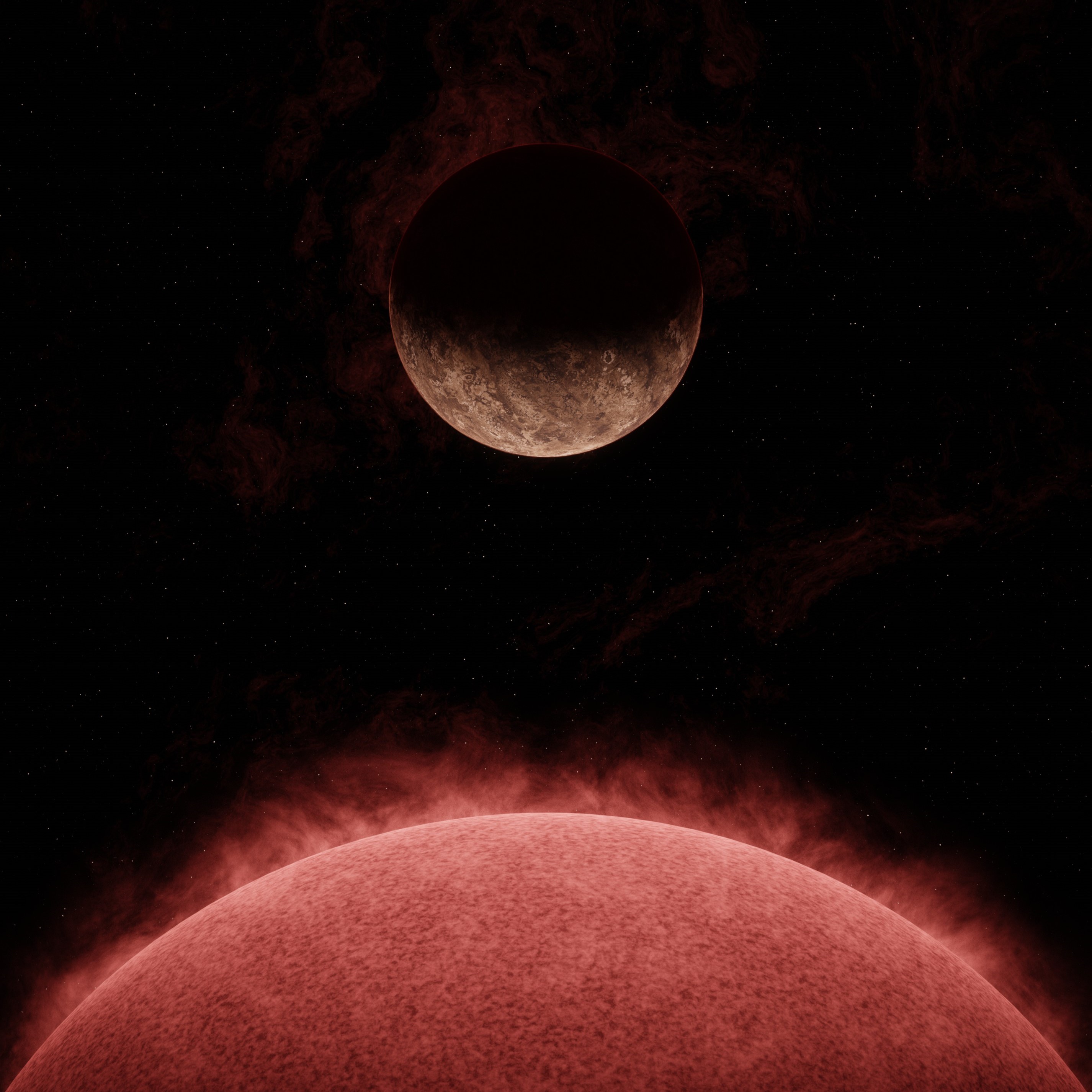
I have been a mechanical engineer at the IAA-CISC from 2021 to August 2026. I have been involved in several astrophysical instruments for different observatories and facilities. As part of my PhD thesis, I designed and integrated several upgrades within the CARMENES-PLUS framework, focused on improving the thermal stability of the near-infrared spectrograph.
As part of the Instrument Development Unit at the IAA-CSIC, I have contributed to the design of the opto-mechanics of two novel and cutting-edge instrument projects: ANDES (ELT, ESO, Chile) and TARSIS (CAHA, Spain). For both projects, I participated in the development of the opto-mechanics for the RIZ and UBV spectrographs of ANDES, and the Calibration Unit, the Acquisition and Guidance system, and the optical rotator of TARSIS.
At the Sierra Nevada Observatory, I led the project to develop, integrate, and supervise the operations of the mirror refurbishment of the 1.5 m telescope.
Although my expertise lies in opto-mechanics, I also led the design of the optical layout and performance of the Galway Liverpool Imaging Polarimeter (GLIP) for my Master's thesis.
My participation in these projects allowed me to work with different tools, such as Zeemax OpticStudio, Ansyis, Catia, 3d-Experience and CREO.
CARMENES-PLUS
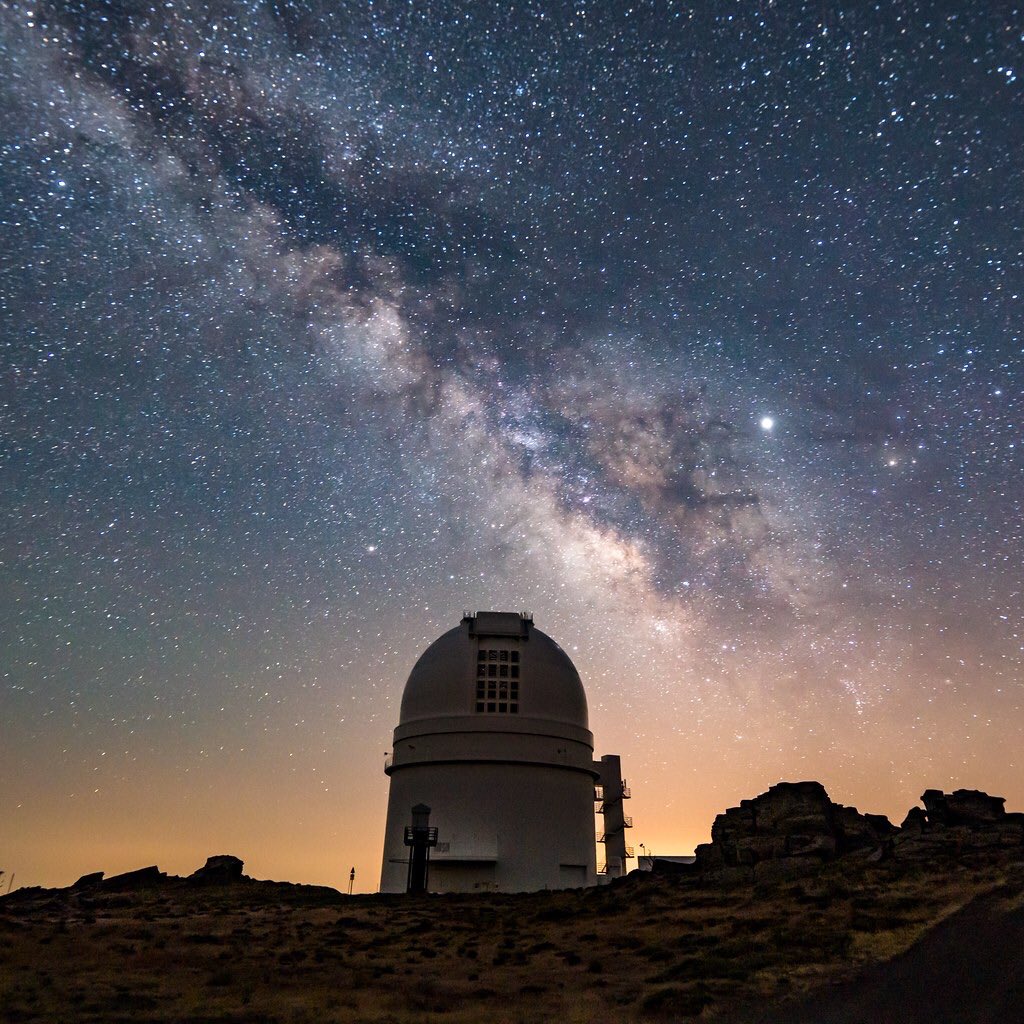
A big part of my early work in the PhD thesis involved engineering tasks. CARMENES (Calar Alto high-Resolution search for M dwarfs with Exoearths with Near-infrared and optical Échelle Spectrographs) is a next-generation instrument built for the 3.5m telescope at the Calar Alto Observatory by a consortium of German and Spanish institutions, that observes in the visible and near-infrared. CARMENES near-infrared channel (or CARMENES-NIR) is cooled down to achieve very precise radial velocity measurements. Our main targets are very faint stars, the M-dwarfs. Because they are very faint, the thermal conditions and stability we need in CARMENES-NIR while observing are very extreme. We worked from 2020 to 2022 improving its cooling system. By stabilizing the nitrogen gas flow and refilling the liquid nitrogen properly, we were able to improve the CARMENES-NIR radial velocity precision below 1 m/s. You can read the published article: Improving radial velocity precision with CARMENES-PLUS.
PROJECTED ROTATIONAL VELOCITY AND LIMB DARKENING
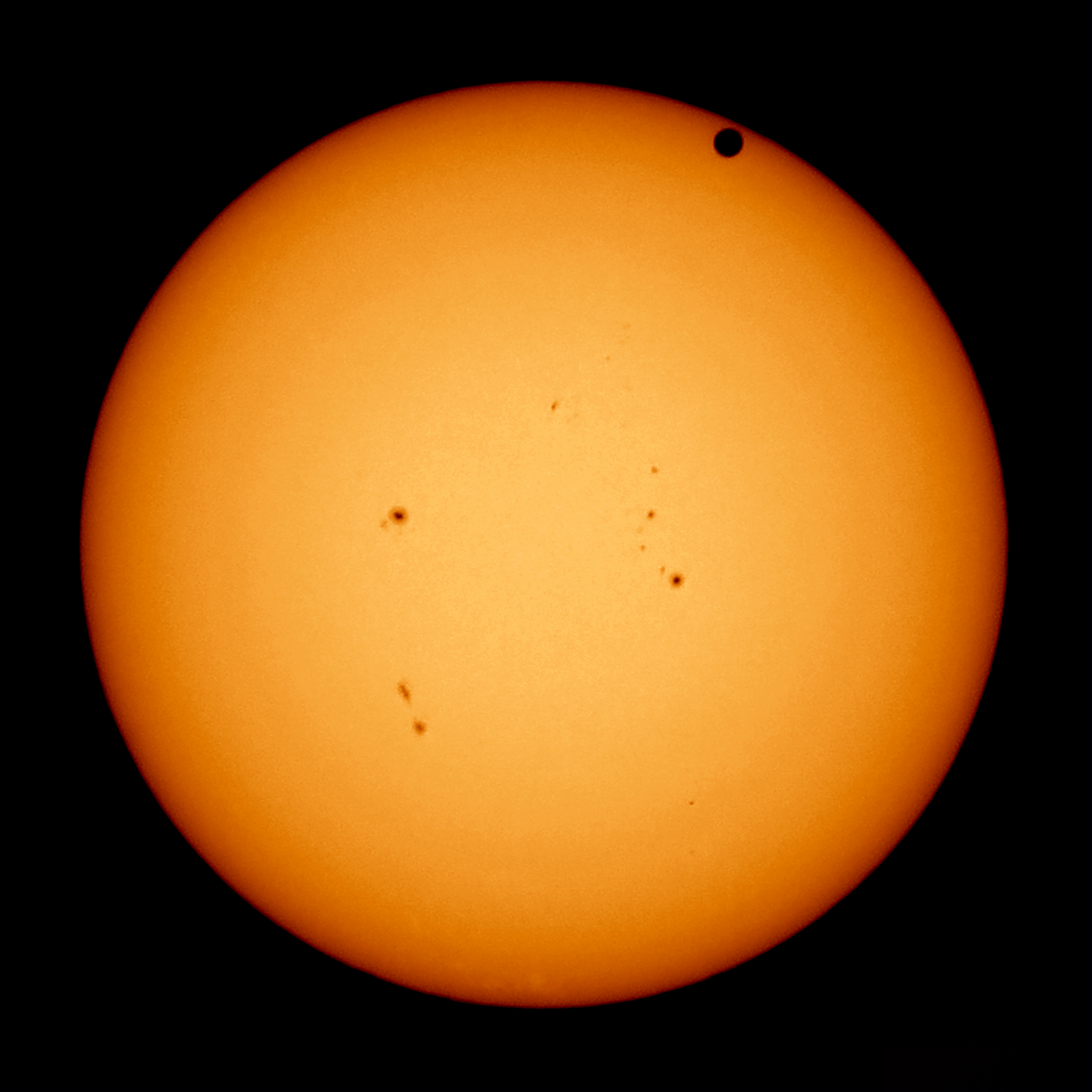
The projected rotational velocity (vsini) of a star is a very important value, because we can then properly derive other stellar parameters, better understanding the star, such as its age, metallicity or activity. For fast rotating stars is also key for accurately computing the radial velocities for exoplanet search. I have computed the projected rotational velocity of all the CARMENES sample using the serval pipeline, providing 36 new estimations and correcting some from the literature.
We also made an extensive analysis of the limb-darkening effect when computing the vsini, especially important for the coolest stars. First, with synthetic models we demonstrate that it actually changes the shape of the spectral lines, which has an impact on the projected rotational velocity we estimate. Then, we evaluate the impact of the limb darkening on our results. Additionally, we proved the suitability of near-infrared spectra for estimating the vsini, and applied it to 61 stars later than M5.0.
Our work, titled "The CARMENES search for exoplanets around M dwarfs. A homogeneous catalogue of projected rotational velocities accounting for limb-darkening", has been accepted in Astronomy & Astrophysics, see Varas et al. (2026). The results are also available in a GitHub repository.
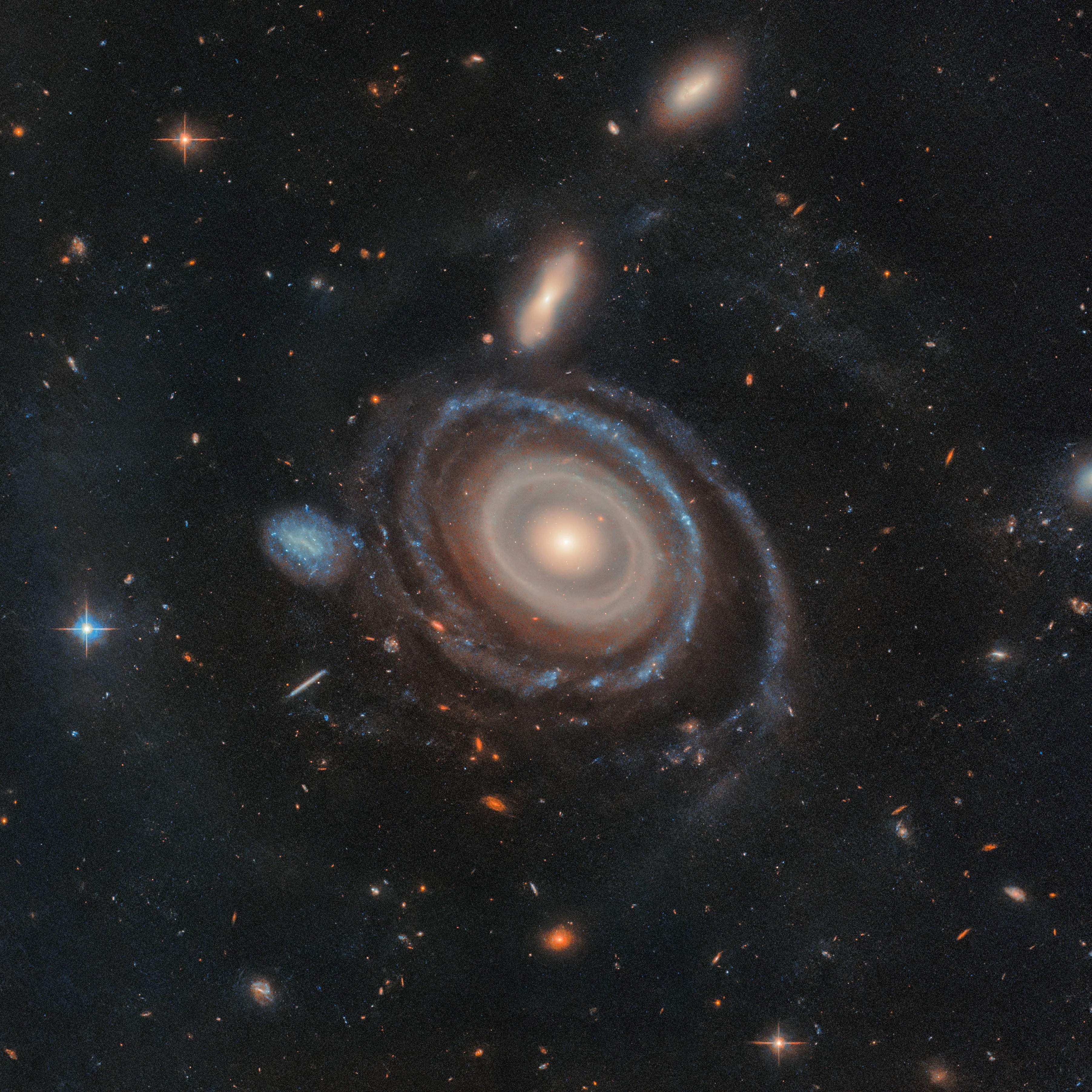
1. The CARMENES search for exoplanets around M dwarfs. A homogeneous catalogue of projected rotational velocities accounting for limb-darkening, R. Varas et al., A&A, vol. 709, A244, May 2026.
2. Improving radial velocity precision with CARMENES-PLUS: An upgrade of the near-infrared spectrograph cooling system, R. Varas et al., Experimental Astronomy, vol. 60, article number 10, September 2025.
3. Detection of an Earth-sized exoplanet orbiting the nearby ultracool dwarf star SPECULOOS 3, M. Gillon et al. (including R. Varas), Nature Astronomy, vol. 8, 865-878, May 2024.
4. The CARMENES search for exoplanets around M dwarfs - The impact of rotation and magnetic fields on the radial velocity jitter in cool stars, H. L. Ruh et al. (including R. Varas), A&A, vol. 692, A138, December 2024.
5. TOI-7166 b: a habitable zone mini-Neptune planet around a nearby low-mass star , K. Barkaoui et al. (including R. Varas), Monthly Notices of the Royal Astronomical Society, vol. 544, Issue 2, December 2025.
6. The K-dwarfs Survey I. Four Validated Planets from the Radius Valley to the Neptune Desert , G. Morello et al. (including R. Varas), Monthly Notices of the Royal Astronomical Society, stag183, January 2026.
7. A gem system with a lava world and a habitable zone sub-Neptune orbiting TOI–1752 , A. Peláez-Torres et al. (including R. Varas), Monthly Notices of the Royal Astronomical Society, vol. 548, Issue 3, stag713, May 2026.
8. ravex: RAdial VElocity eXplorer , F. J. Pozuelos and R. Varas, v0.1.0. Zenodo, April 2026 (see also GitHub ).
9. Effects of Thermocapillary and Natural Convection During the Melting of PCMs with a Liquid Bridge Geometry, R. Varas et al., Microgravity Science and Technology, vol. 35, A17, 2023.
10. Thermocapillary effects during the melting in microgravity of phase change materials with a liquid bridge geometry, R. Varas et al., International Journal of Heat and Mass Transfer, vol. 178, 121586, October 2021.
MORE ABOUT ME
OUTREACH
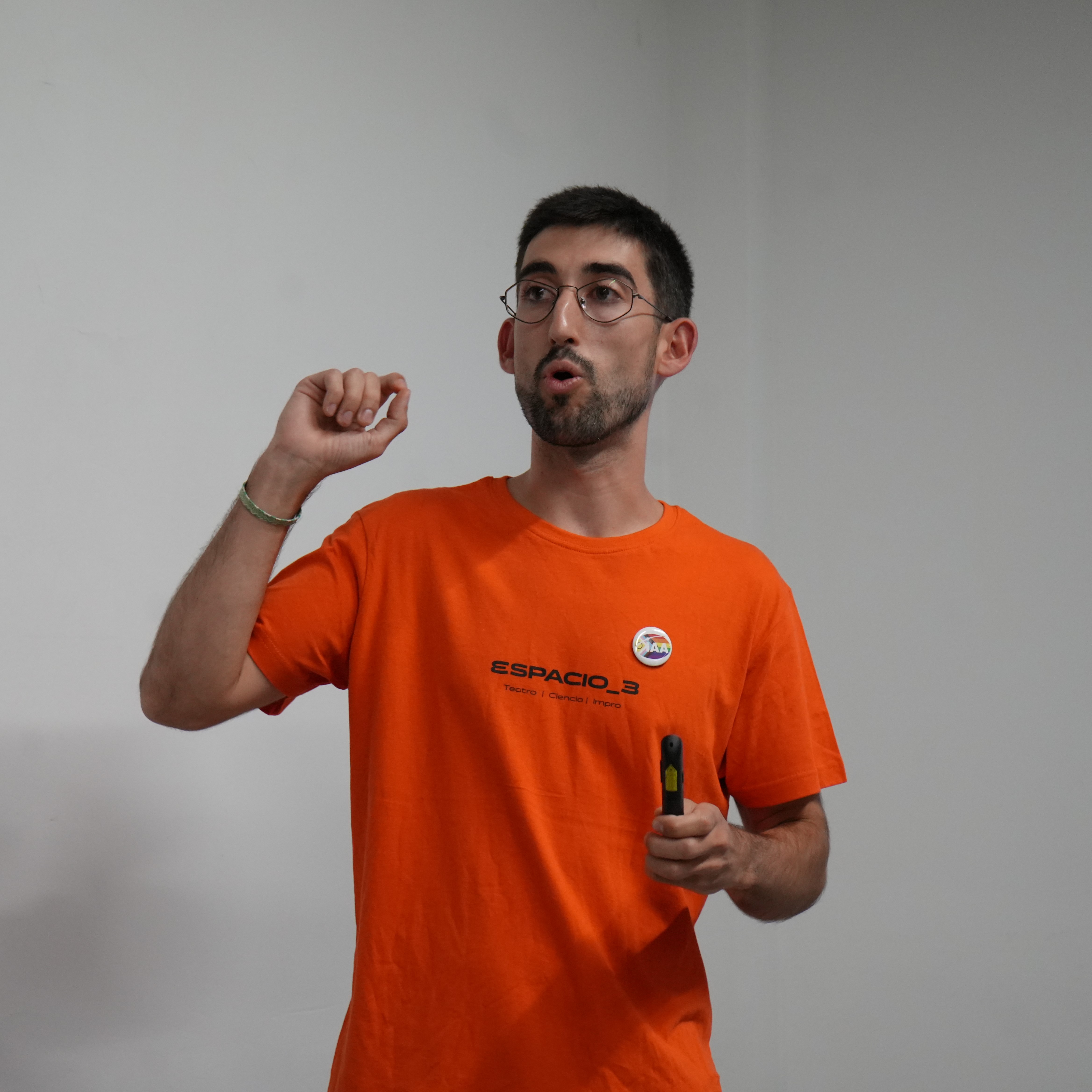
I, like many other people who do science, love to share my work with anybody who might be interested in astronomy. I have to admit that we, astronomers, have luck with outreach, because it really awakens something inside many people. I have been a volunteer in many activities, such as the PIIISA project, the 100xCiencia.7 conference, and many others. I also had the great opportunity to give a talk at the European Researchers Night, Espacio 3 and the Pint of Science.
In these activities, I talked about different things, from the possible existence of galactic civilizations, to the huge variety of stars, even the super-interesting and not very-well known brown dwarfs. I should admit that the best part of giving these talks is to have the opportunity to talk about work in a more relaxed environment, interacting with the audience, listening and answering all the questions, sometimes not very easy to answer, but always interesting.
EQUITY, DIVERSITY and INCLUSION
As many studies have conclude, diversity improves science [Science benefits from diversity]. I am a member of the Equity, Diversity and Inclusion (EDI) committee at the IAA, where we look to make our workplace more inclusive and comfortable for everybody. We also do outreach and training activities inside the institute and with schools outside our center.
At the next European Astronomical Society meeting (EAS 2025), I was a co-chair of the Special Session An Intersectional Approach to EDI Strategies (SS51). Having these spaces in such big and important conferences is key for science, for people to feel safe and to build the world we dream of, with equity and inclusion, where diversity is what it already is, a part of humanity.
MY HOBBIES
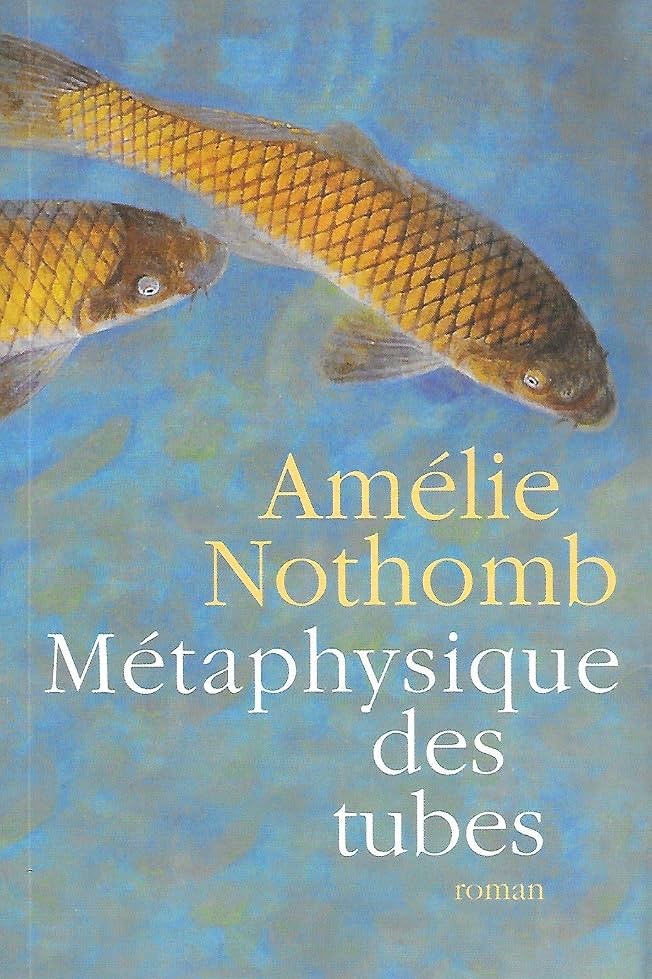
Apart of working, I love to do many activities. I climb regularly, both at the gym and in the mountains. Going for a hike and exploring the wildlife, with a camera on hand, is something I enjoy very much. Nevertheless, I also like spending time at home or in the city, always with a book in my hand. I spend many hours reading, from novels to poetry or essays; I appreciate good writing. And, of course, I love hanging out with my friend, talking, walking, laughing, discussing, or helping with anything we might need. For example, we usually exchange music or reading recommendations. By the way! I recently started pottery, and I strongly recommend trying it; it's really fun and relaxing.
MY PERSONAL FAVORITE BOOKS